
Restorative Dentistry Guildford
Clinically reviewed by Dr Inas Hamdy, BDS, MFDS — GDC No. 176221
Restorative dentistry focuses on repairing damaged teeth, restoring their strength, function, and appearance, and helping you maintain a healthy, comfortable smile for the long term. At Surrey Dental Practice, we understand that dental damage can affect much more than just how your teeth look, it can impact chewing, speech, confidence, and overall oral health.
Restorative dentistry services focus on repairing, replacing, and maintaining teeth and gums to restore function and aesthetics. Key services include prosthodontics (crowns, Fixed bridge, dentures, implants), endodontics (root canal treatment), and periodontics (gum disease treatment), often providing care for complex cases like trauma or congenital defects.
Our approach to restorative treatment is careful, conservative, and tailored to each individual patient. Whether a tooth has been affected by decay, fracture, wear, or an old failing restoration, our aim is always to preserve as much natural tooth structure as possible while providing a strong, long-lasting solution.
Our Restorative Dentistry Services

Dental Filling
A filling repairs a cavity or minor crack in a single visit, using a material matched to the size and location of the damage.
Dental Inlays
An inlay is a lab-made restoration that fitted into the tooth when the damage too large for a regular filling but short of a full crown.

Dental Crowns
A dental crown covers and protects a damaged tooth, restoring its shape and strength after fractures, large fillings, or root canals.

Dental implants
A dental implant uses a titanium jaw post and a crown to replace a missing tooth, functioning just like a natural one.
Direct and Indirect Restorations – What’s the Difference?
Restorative treatments are broadly divided into direct and indirect restorations.
Direct restoration
Direct restorations are completed in a single visit and placed directly into the tooth by the dentist. These include composite (white) fillings and amalgam fillings. They are ideal for small to moderate areas of damage and allow for a quick, effective repair.
Direct restorations are cost-effective and widely used for repairing cavities or minor fractures. Direct restorations are durable, blend well with natural teeth, and can be completed efficiently without the need for multiple appointments, making them a convenient choice for patients with busy schedules or straightforward dental needs.

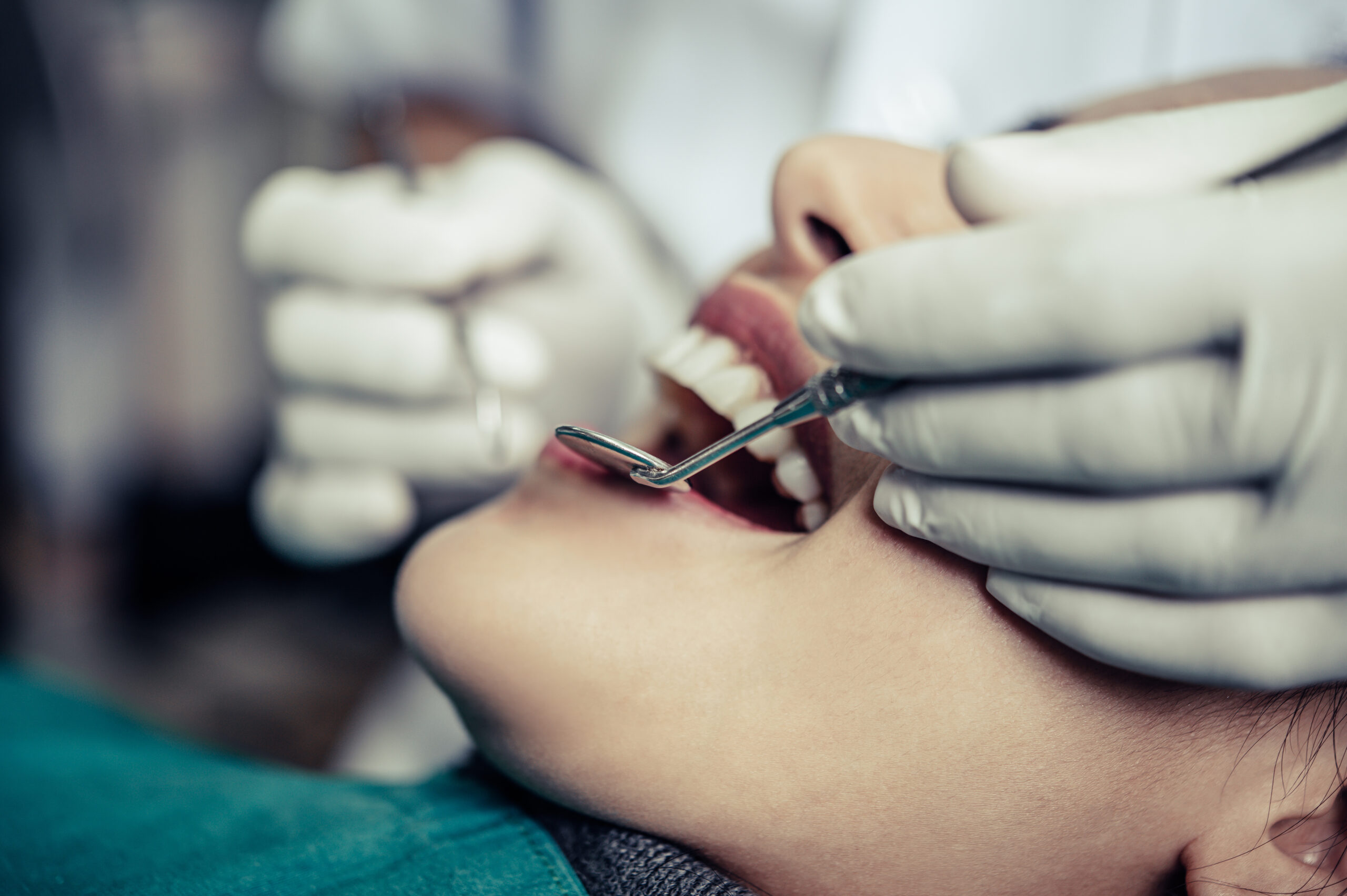
Indirect restorations include inlays, crowns, bridges, and veneers, all designed to restore both function and appearance with excellent durability.
Indirect restoration
Indirect restorations are used when a tooth requires additional strength or coverage that a simple filling cannot provide. These restorations are custom-made outside the mouth by a dental laboratory, using precise impressions of your tooth, and are then securely fitted by your dentist.
| Direct restorations | Indirect restorations | |
| Examples | Composite (white) fillings, amalgam fillings | Crowns, inlays, onlays, bridges, veneers |
| Where it's made | Built directly in the tooth, chairside | Made in a dental laboratory from an impression |
| Visits needed | One | Two — preparation, then fitting |
| Best suited for | Small to moderate decay or fractures | Extensive decay, fractures, or weakened tooth structure |
| Durability | Effective for straightforward repairs | Stronger and longer-lasting, especially under heavy biting pressure |
Personalised Restorative Care You Can Trust
Every restorative treatment at Surrey Dental Practice begins with a thorough assessment and clear explanation of your options. We believe informed patients make confident decisions, and we take the time to answer questions and tailor treatment plans to your individual needs.
Our goal is simple:
to restore your teeth in a way that looks natural, feels comfortable, and supports your long-term oral health.
Restorative Dentistry FAQs
What is restorative dentistry?
Restorative dentistry focuses on repairing damaged or decayed teeth to restore their strength, function, and appearance. This includes treatments such as fillings, inlays, crowns, and other restorations designed to help teeth work and look natural again.
Why might I need restorative treatment?
You may need restorative treatment if a tooth has been affected by decay, fracture, wear, trauma, or a failing old filling. Early treatment helps prevent further damage and more complex procedures later.
Is restorative dentistry only about appearance?
No. While restoring the appearance of your smile is important, restorative treatment also improves chewing, speech, bite stability, and overall oral health.
What is the difference between direct and indirect restorations?
Direct restorations, such as fillings, are placed directly into the tooth in one visit. Indirect restorations, such as inlays and crowns, are custom-made outside the mouth and fitted during a separate appointment.
How do I know which type I need?
This depends on how much of the tooth is damaged. Smaller areas are usually treated with direct restorations, while larger or weaker teeth often need indirect restorations for extra strength and longevity.
Are indirect restorations more durable?
Yes, indirect restorations are often stronger and longer-lasting, particularly for teeth that are heavily restored or under significant biting pressure.
Are tooth extractions considered restorative dentistry?
While tooth extractions are not a core part of restorative dentistry, they are often a necessary first step within a broader restorative treatment plan.
This page was reviewed by Dr Inas Hamdy, Principal Dentist at Surrey Dental Practice, to ensure the information reflects current restorative treatment practice.