
Inlays – Strong Conservative Alternative
Dental inlays are an excellent option when a cavity or damaged area is too large for a filling but does not require a full crown. Because they are made as a single solid piece, inlays can significantly strengthen the tooth ; in some cases by up to 75%.
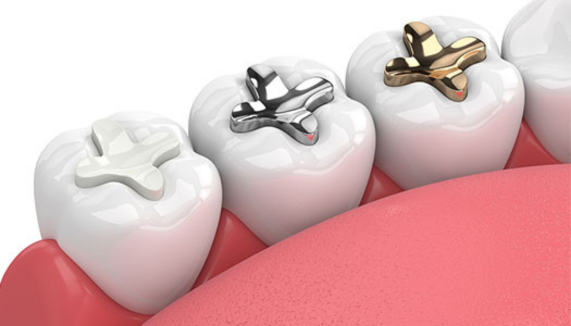
Inlays are carefully crafted from materials such as ceramic, gold, or composite, depending on the clinical and aesthetic requirements. They are designed to fit precisely into the prepared area of the tooth, restoring its natural shape and biting surface more accurately than a traditional filling.
Once fitted, inlays feel natural, are easy to maintain with good oral hygiene, and can last for many years with proper care.
Inlays are carefully crafted from materials such as ceramic, gold, or composite, depending on the clinical and aesthetic requirements. They are designed to fit precisely into the prepared area of the tooth, restoring its natural shape and biting surface more accurately than a traditional filling.
Once fitted, inlays feel natural, are easy to maintain with good oral hygiene, and can last for many years with proper care.
Onlays – Extra Protection Without a Full Crown
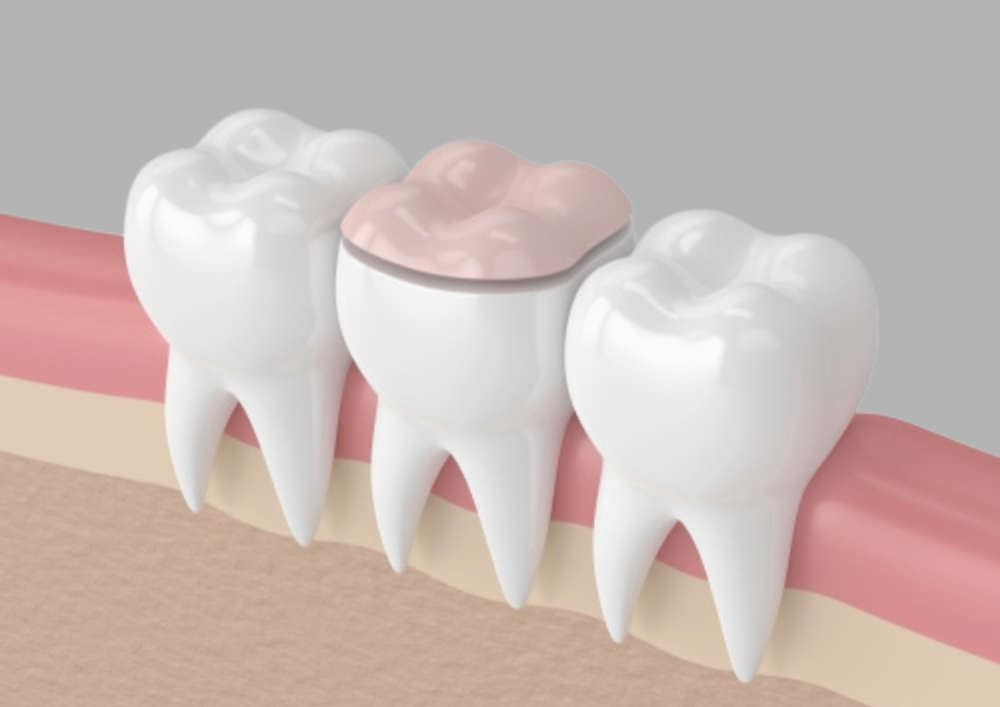
Dental onlays are a form of indirect restoration, similar to inlays, but they are used when damage extends beyond the centre of the tooth to include one or more of the biting cusps.
While an inlay sits within the grooves of a tooth, an onlay covers a larger area and helps protect weakened tooth structure. Onlays are sometimes referred to as partial crowns because they offer significant strength without requiring full coverage of the tooth, allowing more healthy enamel to be preserved.
Onlays are custom-made in a dental laboratory and are bonded securely to the tooth, restoring its natural shape, bite, and function. They are an excellent option when a tooth needs more support than a filling or inlay can provide, but a full crown is not yet necessary.
While an inlay sits within the grooves of a tooth, an onlay covers a larger area and helps protect weakened tooth structure. Onlays are sometimes referred to as partial crowns because they offer significant strength without requiring full coverage of the tooth, allowing more healthy enamel to be preserved.
Onlays are custom-made in a dental laboratory and are bonded securely to the tooth, restoring its natural shape, bite, and function. They are an excellent option when a tooth needs more support than a filling or inlay can provide, but a full crown is not yet necessary.
Inlays vs Onlays – What’s the Difference?
Inlays
- Fit within the biting surface of the tooth
- Suitable for moderate cavities or damage
- Preserve more natural tooth structure
- Do not cover the biting cusps
Your dentist will recommend an inlay or onlay based on how much of the tooth is damaged and the level of support required.
Onlays
- Extend over one or more biting cusps
- Ideal for larger areas of damage or weakened teeth
- Provide additional strength and protection
- More conservative than a full crown
Materials Used for Inlays and Onlays
Inlays and onlays can be made from a range of high-quality materials. The most suitable option depends on the location of the tooth, biting forces, and aesthetic preferences.
- Ceramic (Porcelain)
A popular choice due to its natural appearance and excellent durability. Ceramic restorations blend seamlessly with natural teeth and are commonly used in visible areas. - Composite
Tooth-coloured and cost-effective, composite inlays and onlays provide good aesthetics and strength for moderate restorations. - Gold
Gold restorations are extremely durable and gentle on opposing teeth. Although less commonly chosen for aesthetic reasons, they remain one of the longest-lasting restorative materials.
Your dentist at Surrey Dental Practice will discuss the advantages of each material and help you choose the most appropriate option for your individual needs.
Inlays & Onlays FAQs
What is a dental inlay?
An inlay is a custom-made restoration used when a cavity is too large for a filling but does not require a full crown. It fits precisely into the prepared area of the tooth.
What are inlays made from?
Inlays can be made from ceramic, composite, or gold. The choice depends on the size of the restoration, aesthetic requirements, and functional needs.
Are inlays better than fillings?
In some cases, yes. Inlays are stronger than traditional fillings and can restore the natural biting shape of the tooth more accurately, helping improve durability and comfort.
How long do inlays last?
With good oral hygiene and regular dental visits, inlays can last many years and are known for their strength and stability.
What is the difference between an inlay and an onlay?
An inlay fits within the grooves of the tooth, while an onlay covers one or more of the biting cusps. Onlays are used when a tooth needs more protection than an inlay can provide.
Are onlays stronger than fillings?
Yes. Onlays are custom-made as a single solid piece and bonded to the tooth, making them significantly stronger and more durable than traditional fillings.
Why choose an onlay instead of a crown?
Onlays allow more of the natural tooth to be preserved while still providing excellent strength and protection. A crown is usually reserved for teeth that are more severely damaged.
What materials are used for inlays and onlays?
They can be made from ceramic, composite, or gold. Each material has its own benefits in terms of strength, durability, and appearance
How long do inlays and onlays last?
With good oral hygiene and regular dental check-ups, inlays and onlays can last many years, often longer than traditional fillings.
Do inlays and onlays feel natural?
Yes. Once fitted, they are designed to feel comfortable, restore your bite accurately, and function just like a natural tooth.
To find out more and book an appointment with one of our clinicians, please call us on 01483 506277. 0% finance is available on any treatment over £500*